

Sciatica Treatment in Marietta GA After Car Accidents
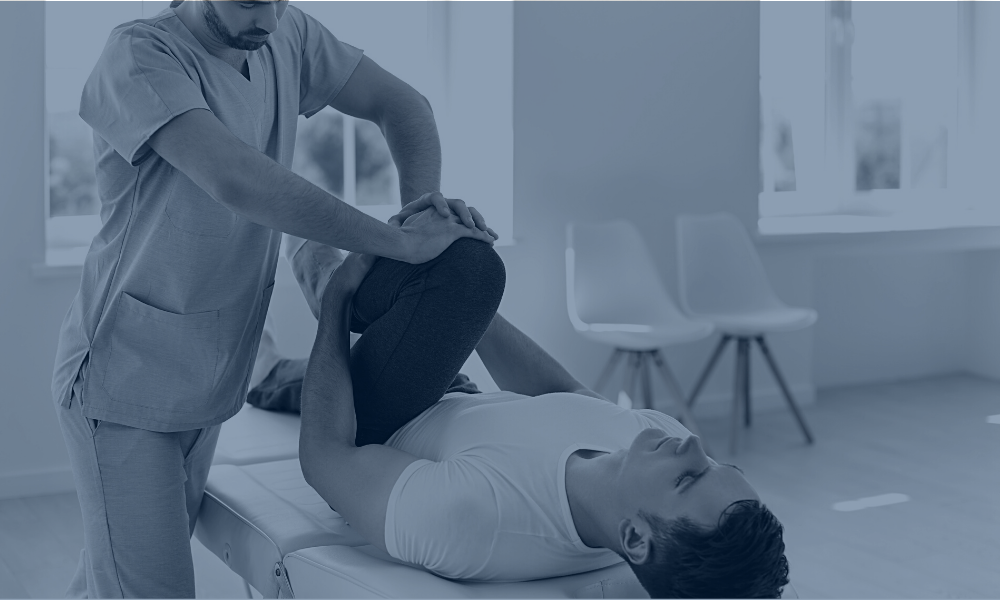
Sciatica Treatment in Marietta GA After Car Accidents
Sciatica is a common condition that can develop after a car accident, often causing sharp pain, numbness, or tingling that travels from the lower back into the hips or legs. At Life Moves in Marietta, GA, their team understands that accident-related sciatica is typically the result of deeper structural changes within the spine — not just muscle tension.
Life Moves provides an integrated care model designed to address the underlying causes of sciatic nerve irritation. By combining chiropractic care, massage therapy, corrective exercise, and advanced therapeutic technologies, their team helps patients reduce pain and restore healthy movement patterns.
How Car Accidents Can Lead to Sciatica
The force generated during an auto accident can place stress on the lumbar spine. This may lead to inflammation, joint restriction, or disc pressure that affects the sciatic nerve.
Common Post-Accident Triggers
- Disc compression
- Spinal misalignment
- Soft tissue strain
- Joint irritation
- Nerve inflammation
Symptoms may not appear immediately. Many individuals begin experiencing radiating pain or weakness days after an accident.
According to the American Association of Neurological Surgeons, trauma can alter spinal mechanics and contribute to nerve irritation if left untreated.
Why Early Treatment Matters
Without proper care, sciatica can persist or worsen over time.
Benefits of Early Evaluation
Life Moves emphasizes early assessment to:
- Reduce inflammation
- Improve spinal alignment
- Relieve nerve pressure
- Support tissue healing
Prompt care helps prevent chronic nerve irritation and long-term discomfort.
Learn more about their personal injury services:
https://lifemovesmt.com/what-we-do/personal-injury/
Life Moves’ Integrated Treatment Approach
Life Moves uses a coordinated model designed to support both structural recovery and nerve health.
Chiropractic Care
Chiropractic adjustments help restore spinal alignment and improve joint mobility following trauma.
Explore chiropractic services:
https://lifemovesmt.com/what-we-do/chiropractic/
Massage Therapy
Massage therapy supports soft tissue recovery and helps reduce muscular tension that may contribute to nerve compression.
Learn more:
https://lifemovesmt.com/what-we-do/massage-therapy/
Corrective Exercise
Corrective exercises strengthen supporting muscles and improve stability, helping prevent recurring nerve irritation.
Discover corrective exercise options:
https://lifemovesmt.com/what-we-do/corrective-exercise/
Advanced Supportive Therapies
Life Moves incorporates modern technologies to enhance recovery outcomes.
Spinal Decompression
Decompression therapy can reduce pressure on spinal discs that may be affecting the sciatic nerve.
Frequency-Specific Microcurrent
Microcurrent therapy may assist with tissue healing and inflammation control.
Research from the National Institutes of Health highlights the potential role of targeted therapies in supporting nerve recovery and pain management.
Treating the Whole Body
Sciatica often influences movement patterns beyond the lower back.
Related Areas Evaluated
Life Moves evaluates:
- Hip mobility
- Core strength
- Postural alignment
This ensures care addresses the full impact of the injury.
Supporting Recovery and Documentation
Life Moves understands that post-accident care may involve coordination with other professionals.
Patient Support Includes
- Thorough assessments
- Progress tracking
- Clear documentation
This helps ensure patients receive care that supports recovery and long-term wellbeing.
Personalized Recovery Plans
Each patient receives a customized treatment plan based on:
- Injury severity
- Healing stage
- Functional needs
Goals of Treatment
Life Moves’ approach helps patients:
- Reduce pain
- Improve mobility
- Restore strength
- Return to daily activities safely
Long-Term Prevention
After recovery, continued support can help reduce recurrence.
Maintenance Strategies
Life Moves may recommend:
- Strengthening exercises
- Mobility training
- Postural education
These strategies support long-term spinal health.
Take the next step toward recovery.
Schedule Your Appointment!